01253 209999

Pond Maintenance Tips for Spring

Spring is the season when your pond wakes up again. Plants start growing, wildlife becomes active, and the water begins to warm. It’s the perfect time to give your pond a spring clean. Here are some simple pond maintenance tips for spring, to get your pond looking its best for the year ahead.

Give your pond a spring clean

Winter can leave behind fallen leaves, sludge, and general debris. Now is the time to remove as much solid waste as possible. Giving your pond a spring clean helps keep the water clear and healthy for fish and wildlife, and helps prevent problems with nuisance algae over the course of the year.

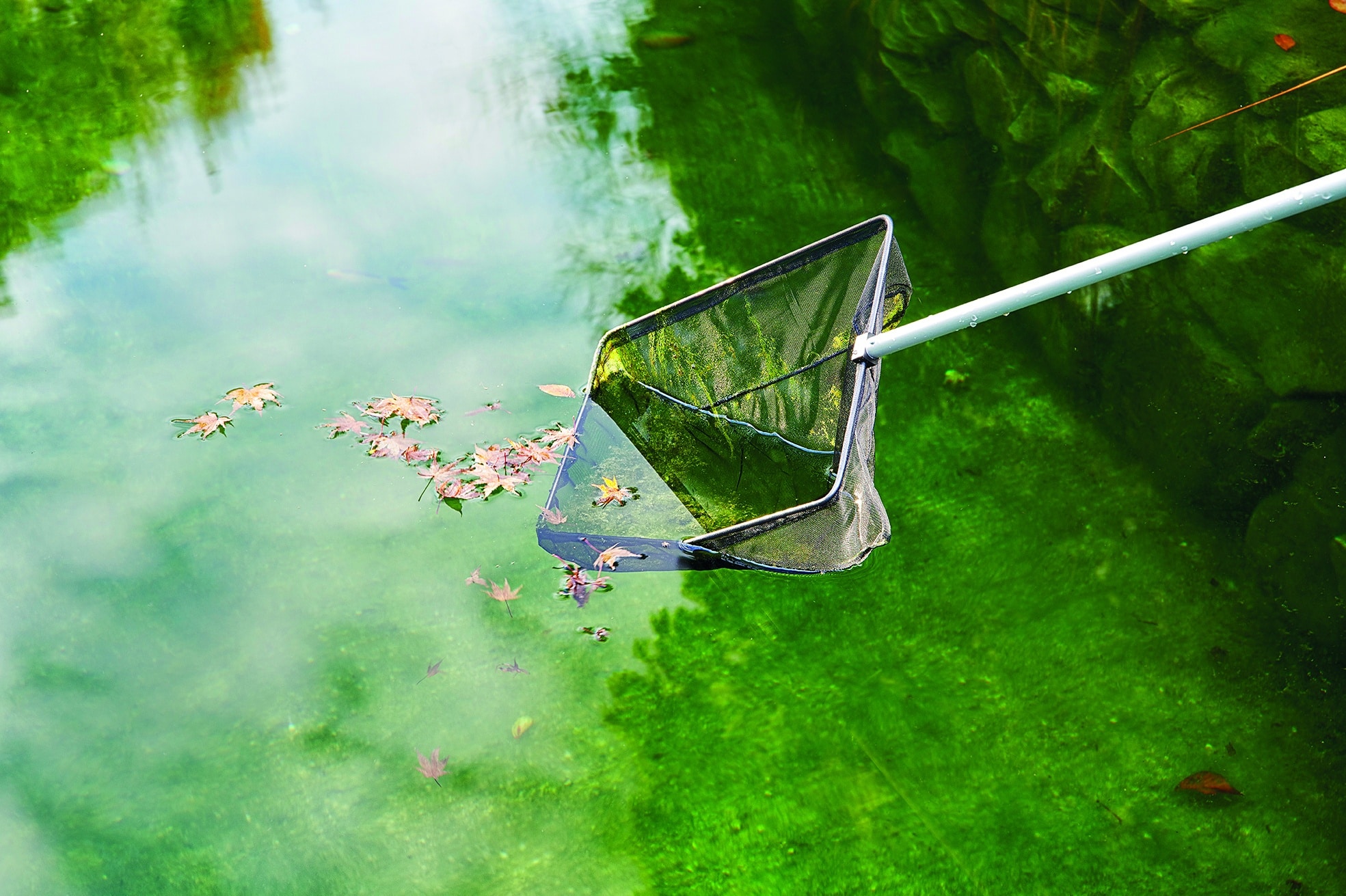
  • Use a hand net to remove debris. Skim leaves, twigs, and anything floating on the surface.
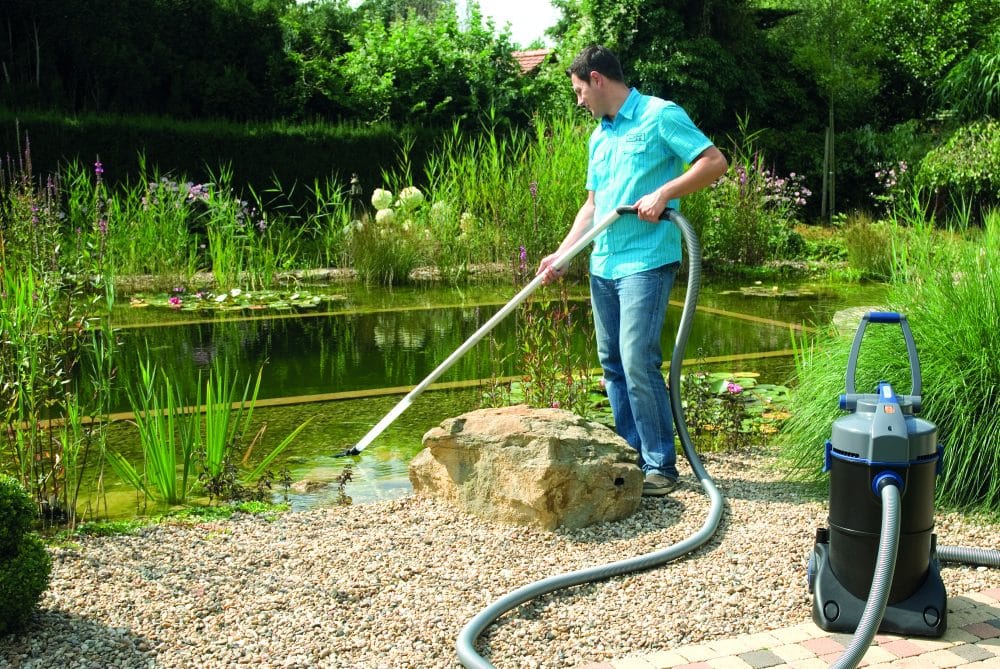
  • Hoover up silt and muck from the bottom of your pond with a pond vacuum. Pond vacs are great removing waste from the bottom without disturbing the whole pond.
  • Use a dirty water pump to drain down your pond for a full clean if needed. This is ideal for ponds that have built up a lot of waste over time.
Net out debris: skim leaves, twigs, and anything floating on the surface.

Tidy up pond plants

Cut back dead vegetation

Pond plants die back over winter but are now ready to grow vigorously once again. Now is the time for a good tidy up. Cut back dead vegetation to give new shoots room to grow and expose them to sunlight.

Repot plants that have outgrown their baskets

Plants will often grow to the full extent of the planting baskets they live in. The aquatic soil will have been consumed and all that may remain is a mass of roots or tubers.

It is therefore a good time to remove pond plants from baskets. Separate out a few good plants by dividing them. Then replanting them back into baskets with fresh aquatic compost. This will give them the nutrients and space they need for healthy growth. Dress with gravel or pebbles to keep the soil in place, and lower slowly back into your pond to prevent clouding the water.

Dividing pond plants is an easy way to keep mature plants healthy and growing strongly. It also prevents dominant species such as iris and water lilies from taking over.

Manage oxygenating pond weed

Oxygenating pond weed can cover your entire pond if not cut back regularly. Try to keep it to a manageable level to allow sunlight into your pond.

It is great habitat for fish and wildlife, and oxygenates your pond by day. However it actually consumes oxygen at night time which can be dangerous for fish on warm summer nights. So be sure to remove excess growth regularly.

It is a good idea to leave clumps of weed you have removed next to the pond. This allows creatures living in it, such as newts and invertebrates, to crawl back into the water. You can move the weed to your compost heap the day after.

Introducing new pond plants

Pond plants are the corner stone of any wildlife pond. They provide habitat for all sorts of species and help support a rich ecosystem. If you enjoy seeing frogs and newts then always have plenty of pond plants. They provide them with a natural larder of food and cover from predators such as birds.

Plants are also essential for maintaining good water quality for fish and wildlife. They help consume organic waste which keeps nuisance algae at bay, and produce oxygen which is important for the health of your pond. So the more pond plants the better!

Spring is the best time to introduce new plants to your pond. As temperatures rise and your pond gets more sunshine, pond plants begin to grow rapidly. Here are the main types to consider:

Marginal plants – these provide great habitat for wildlife, and come in all shapes and sizes. Their foliage and flowers bring great beauty to any pond.

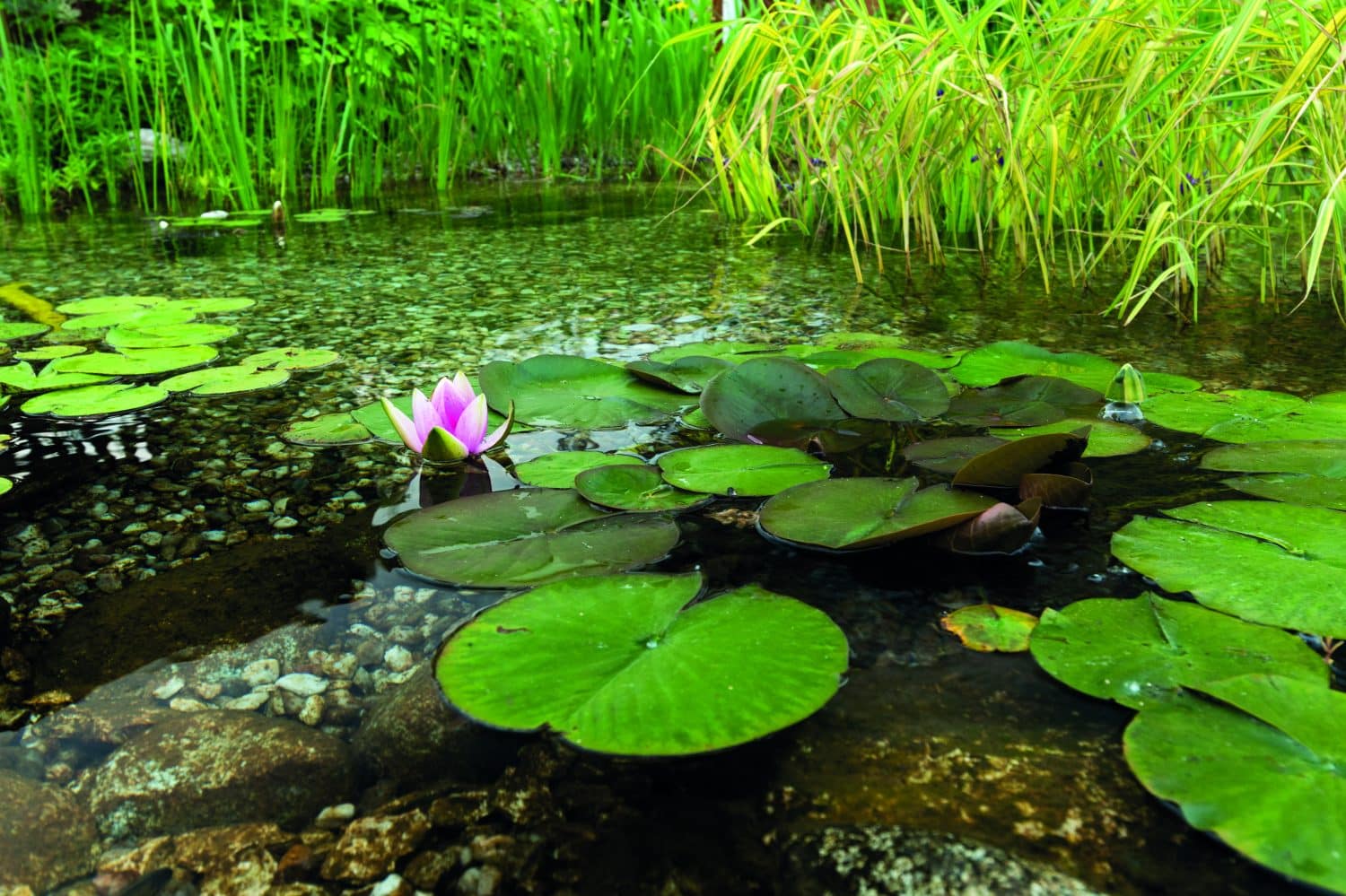
Deep-water plants – such as water lilies have beautiful pads and flowers that grow up to the surface, and help to shade your pond water.

Oxygenating pond weed – provide excellent habitat for fish, snails and invertebrates.

Healthy plants play a big role in keeping your pond balanced and beautiful. Spring is a great time to introduce new plants to your pond or surrounding areas.

Service your pond filter

Spring is a good time to give pond filters a thorough service. A clean, well-maintained pond filter helps maintain good water quality and clarity as water temperatures rise. This is important for the well-being of fish and wildlife, and keeps your pond looking great.

Clean filter media – filter media such as foams and brushes should be rinsed thoroughly in a bucket of pond water. Never use tap water as this kills beneficial filter bacteria. Use the waste water on your garden plants – it is great fertilizer.

Remove sludge – most types of pond filter have a sump that will accummulate sludge. It is important to purge the waste and give your filter a good rinse out.

Replace UV bulbs – The bulbs in UV clarifiers lose their effectiveness after a year even if they still light up. Now is a good time to replace UV bulbs to prevent green water.

Support your pond with seasonal treatments

Spring is a transitional time for your pond, and supportive pond treatments can help it settle into the new season.

These can:

  • Boost pond filter performance to more effectively break down waste early in spring
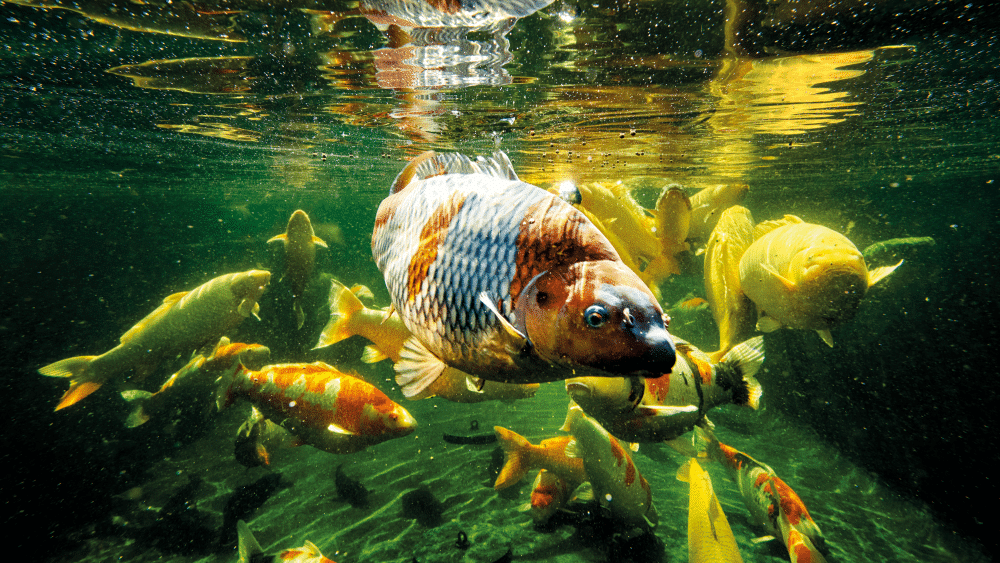
  • Improve water quality for the health of fish and wildlife
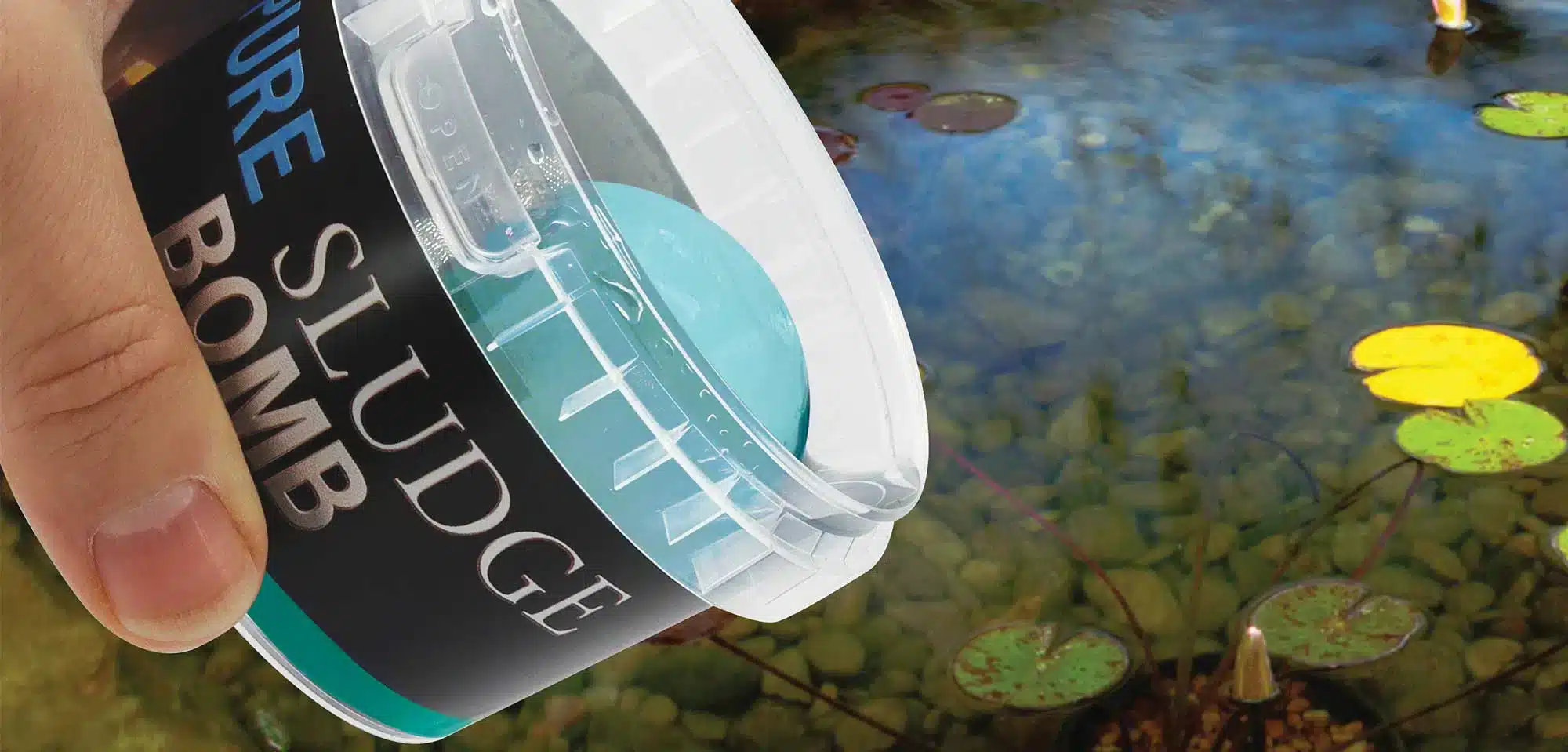
  • Break down sludge
  • Improve water clarity
  • Help the pond adjust as water temperature rises

Summary

A little spring maintenance goes a long way. With a clean pond, tidy plants, and refreshed equipment, you’ll set the stage for a clear, vibrant, and wildlife-friendly space all season long.

Read more articles by The Pond People...