01253 209999

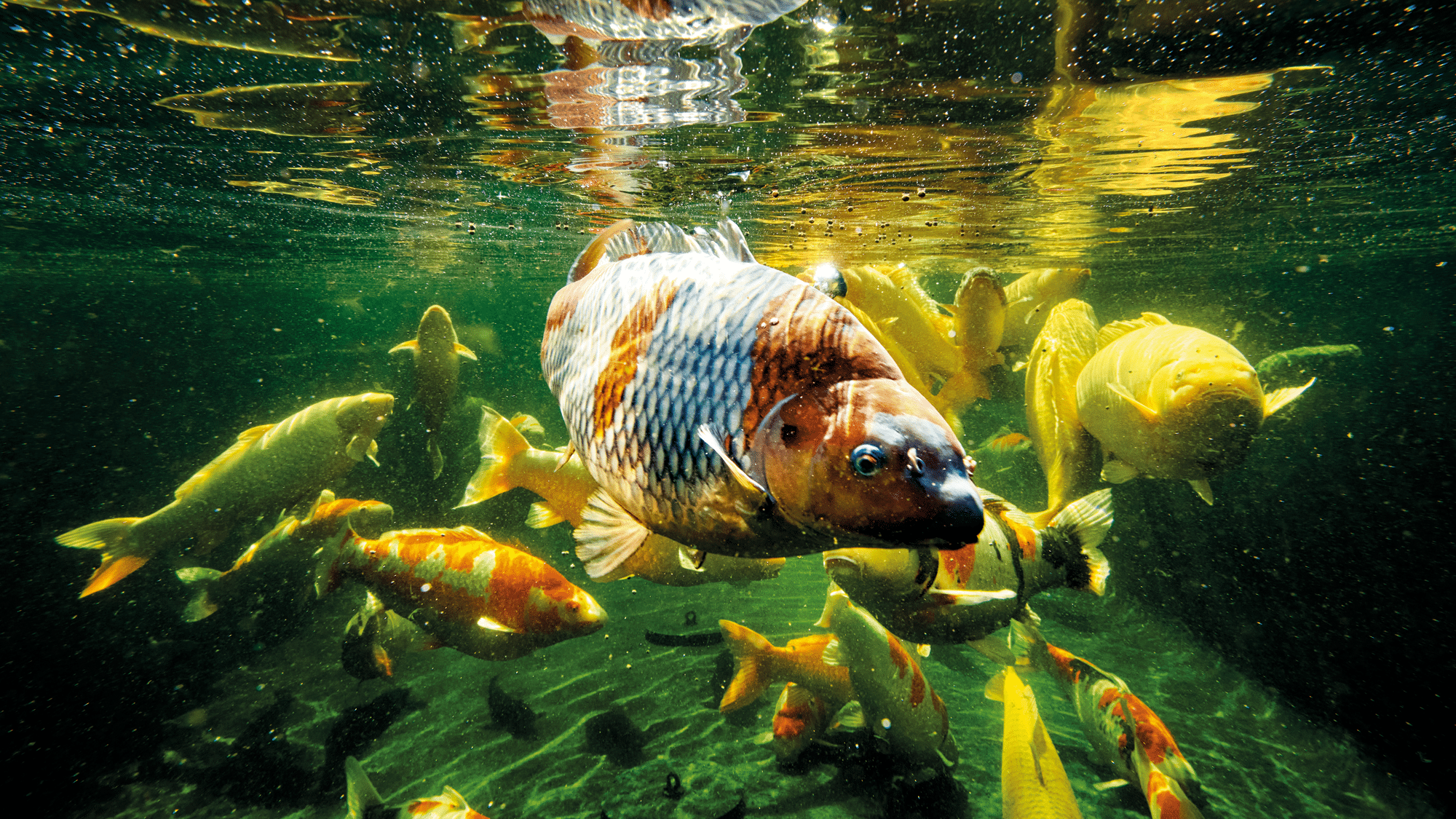
As the days brighten and water temperatures slowly climb, your pond begins to wake up and so do your fish. Spring is a crucial time for their health. After a long winter of low activity, their immune systems need a little support to get back up to speed. To help your fish thrive throughout the upcoming warm months, be sure to follow our early season fish health tips for best results.

Fish have weak immune systems in spring

The immune systems of freshwater fish are very weak in spring. During winter their metabolic rate slows down and their immune response to infection and disease also becomes rather sluggish.

As pond water warms, bacteria and parasite population growth often out-paces the immune system recovery of your fish. This creates a window where they are especially vulnerable to infection. 

Keeping fish healthy at this time is all about maintaining good water quality. By taking a few simple steps, you can improve your water quality so that your fish stay healthy while their immune systems recover.

Your pond begins to wake up and so do your fish. follow these early season fish health tips.

Remove pond waste in spring

Ponds often accumulate a lot of leaves, detritus and silt over the course of the winter. As pond water warms up in spring, this solid waste is broken down by bacteria. This in turn releases organic toxins into the water that are potentially very bad for your fish.

In addition to the release of toxins, the bacteria populations supported by feeding on your pond waste are often just as happy to feed on your fish. This can lead to skin infections and lesions as these opportunistic bacteria eat away at them.

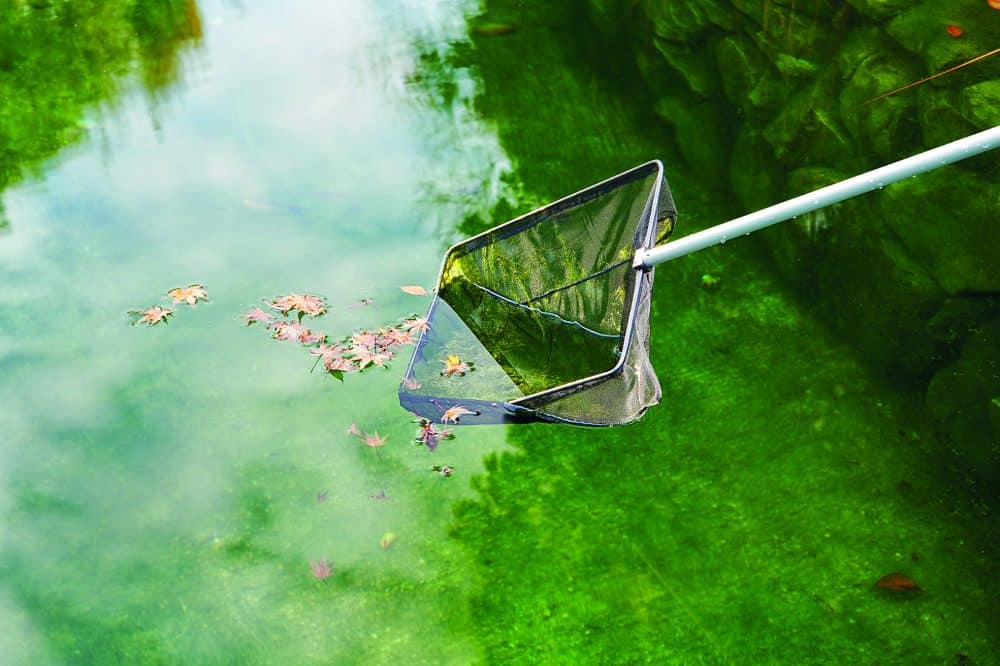
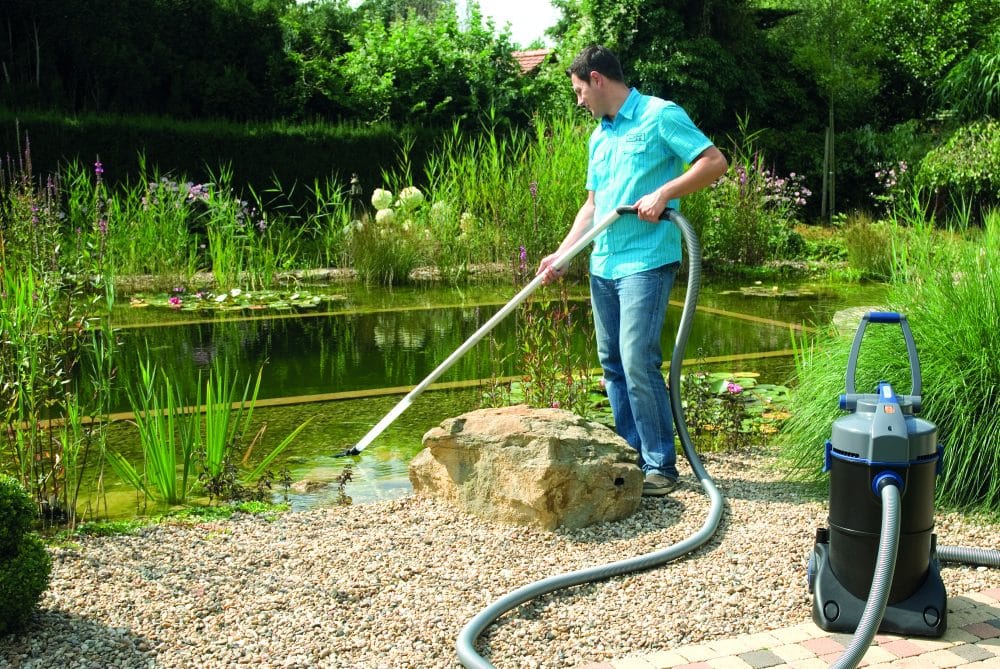
It is therefore important to remove as much pond waste as you can in spring. Depending on how much waste has built up you may need to do a full pond clean. Alternatively you may be ok netting our leaves and other detritus, and hoovering out silt with a pond vac. Read our Spring Pond Maintenance for tips on spring cleaning.

Service your pond filters

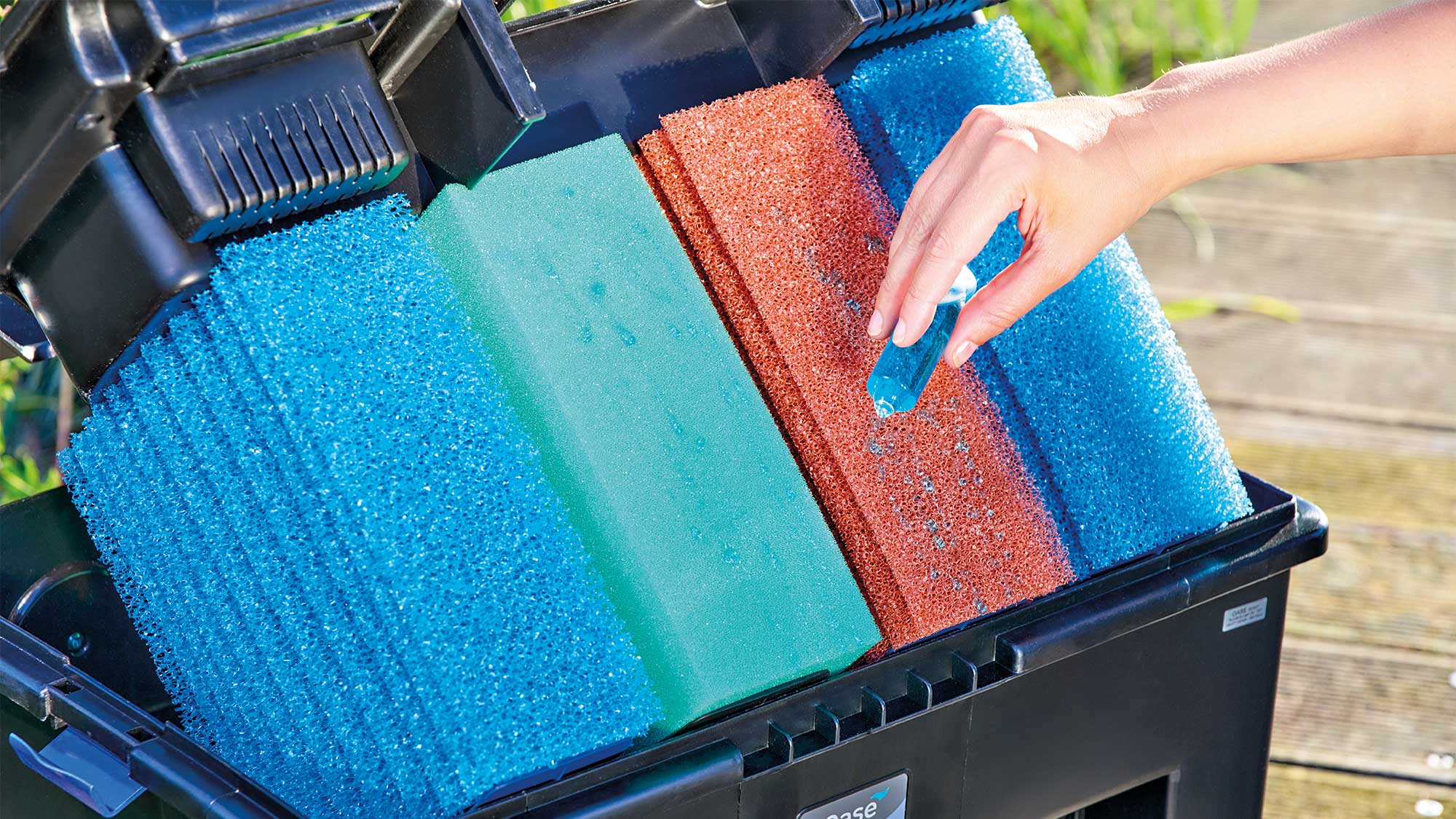
Always service your pond filters in spring to ensure good water quality. Filter media should be cleaned thoroughly with pond water to remove waste. This helps maximize the media surface area for filter bacteria to live on, and ensures that pond water and oxygen can reach them. 

As you start feeding your fish again in spring, the waste from the digestion of feed is broken down by your filter bacteria. Filter bacteria numbers are often depleted over the course of the winter and it takes time for them to recover. This can lead to spikes in ammonia and nitrite which are toxic to your fish. It is therefore a good idea to add a filter treatment at this time to boost your filter media bacteria population.

AquaActiv BioKick Premium 3

Change your UV bulbs

UV Clarifiers kill unicellular organism such as algae that cause green water. However they also kill bacteria and viruses that can cause infections and disease. This is why they are also known as ‘UV sterilizers’. It is therefore extremely important that your UVs are functioning well in spring.

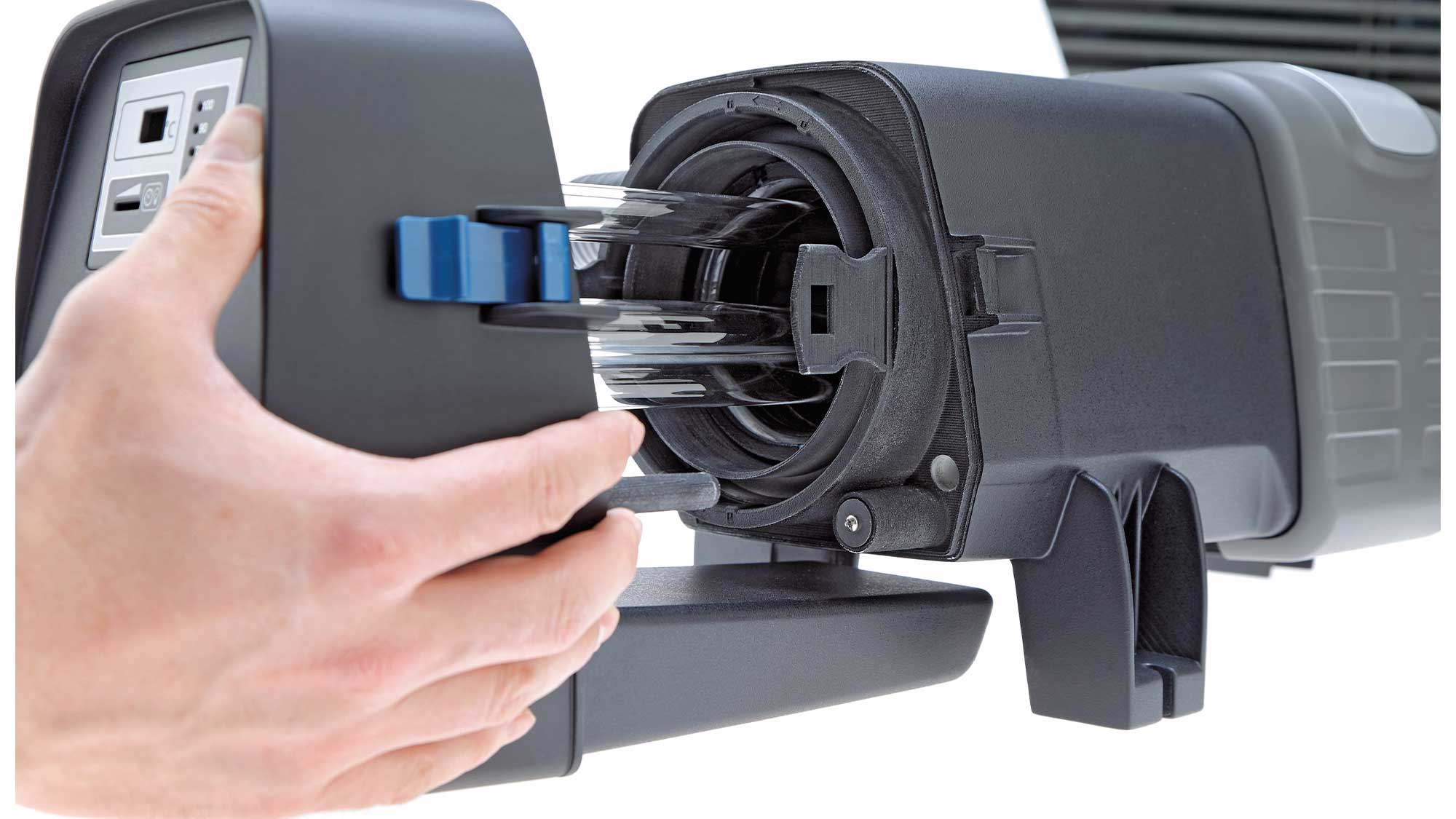
UV bulbs have a very limited lifespan. They are typically effective for no more than 12 months, after which they may still illuminate but will produce very little UV light. Always replace UV bulbs annually (ideally in spring) to ensure your pond water is well-sterilized for the well-being of your fish.

The Oase Bitron Eco 240W is a energy-efficient UV clarifier for large koi ponds and swim ponds that can save you up to 50% on your electricity bills.

When to start feeding your fish again?

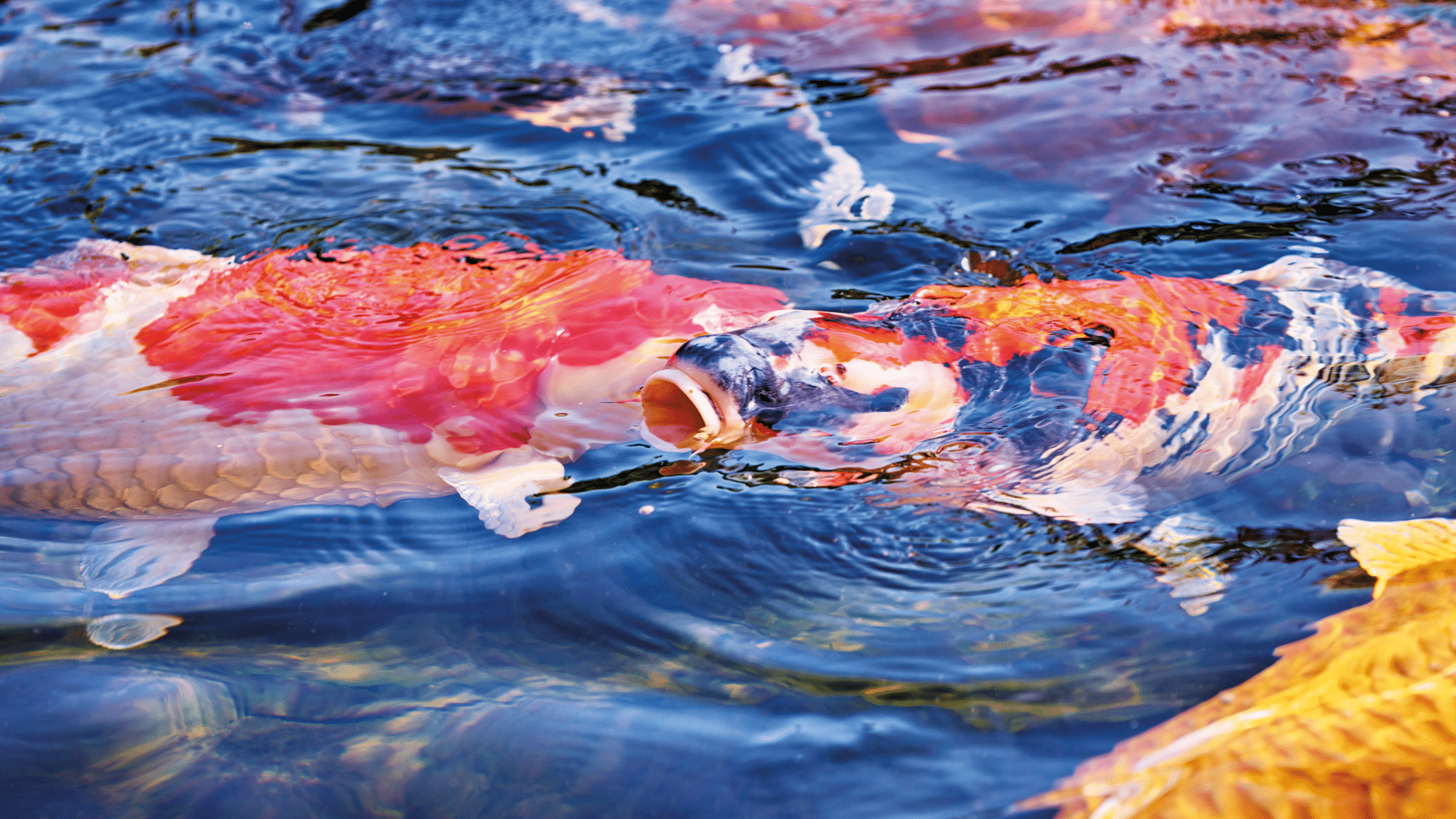
One of the biggest questions pond owners ask each spring is “When should I start feeding my fish?” The answer depends on water temperature, not the weather outside. As well as fish behaviour. 

When should I start feeding my fish?
  • Below 8°C: Don’t feed the fish their metabolism has slowed down, they will leave food which becomes waste and brings your water quality down.
  • Between 8–10°C: You can begin offering small amounts of an easily digestible, cold‑weather feed. Think of this as a gentle reintroduction rather than a full meal. These are normally wheatgerm based feeds.
  • Above 10°C: Fish become more active and ready for regular feeding again. Increase portions gradually as temperatures stabilise. Watch to see how your fish react to the introduction of food. If they start leaving food stop feeding and remove any uneaten food with a net.

A simple pond thermometer is your best friend here. Feeding too early can cause uneaten food to pollute the water. Always feed sparingly, and use the ‘5 minute rule’: if the feed you introduce is not eaten in 5 minutes do not introduce any more.

Summary

Spring is a time when fish are vulnerable to infection and disease. It takes time for their immune systems to recover after winter. To keep them healthy it is important to clean your pond and filters to remove waste, and replace UV bulbs to keep your water sterile. Boosting filters with treatments is also a good idea to help break down waste from fish food.

By following these simple steps in the early season, you can help to provide your fish with excellent water quality to keep them healthy while they immune systems return to full strength.

Read more articles by The Pond People...