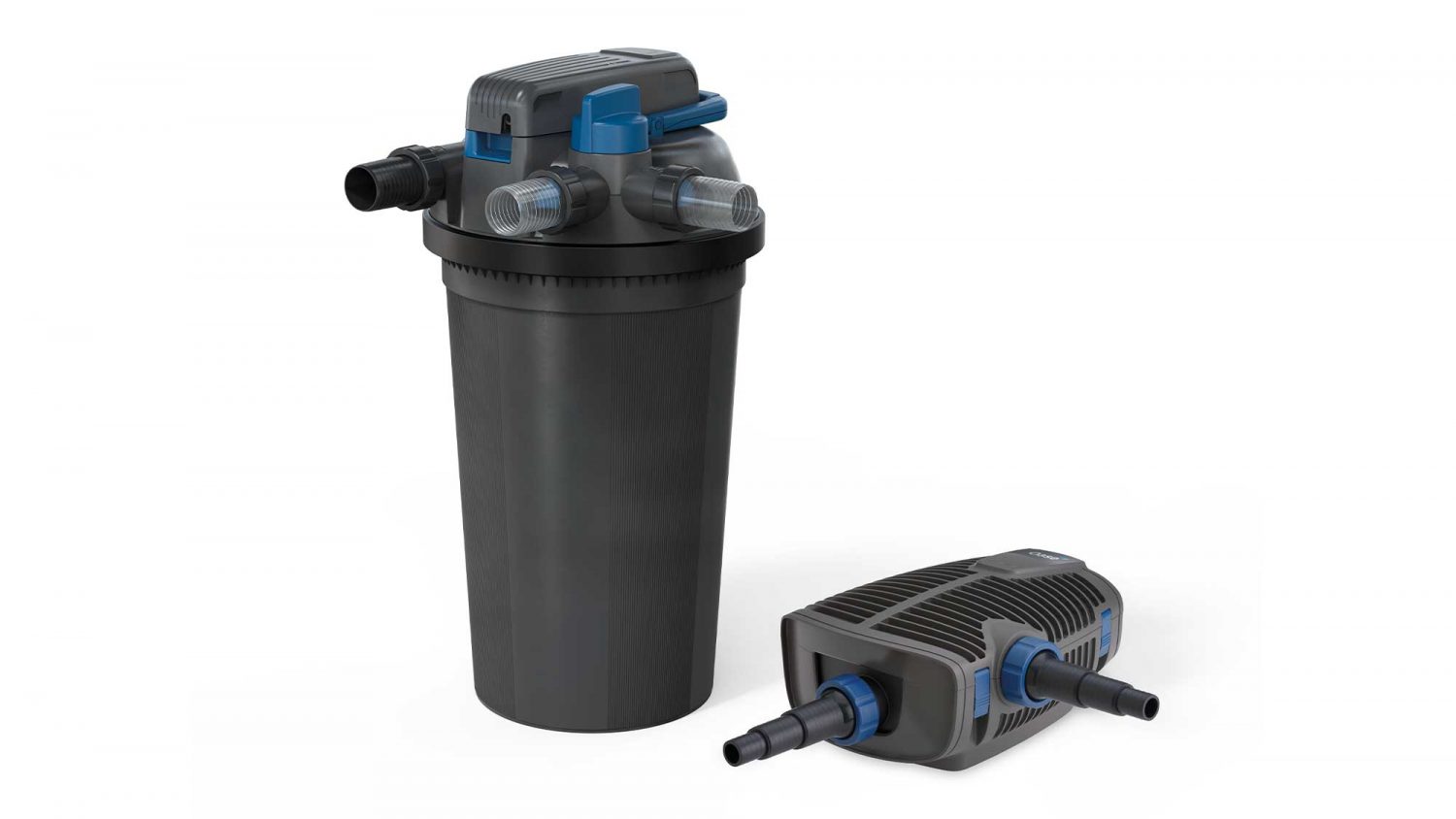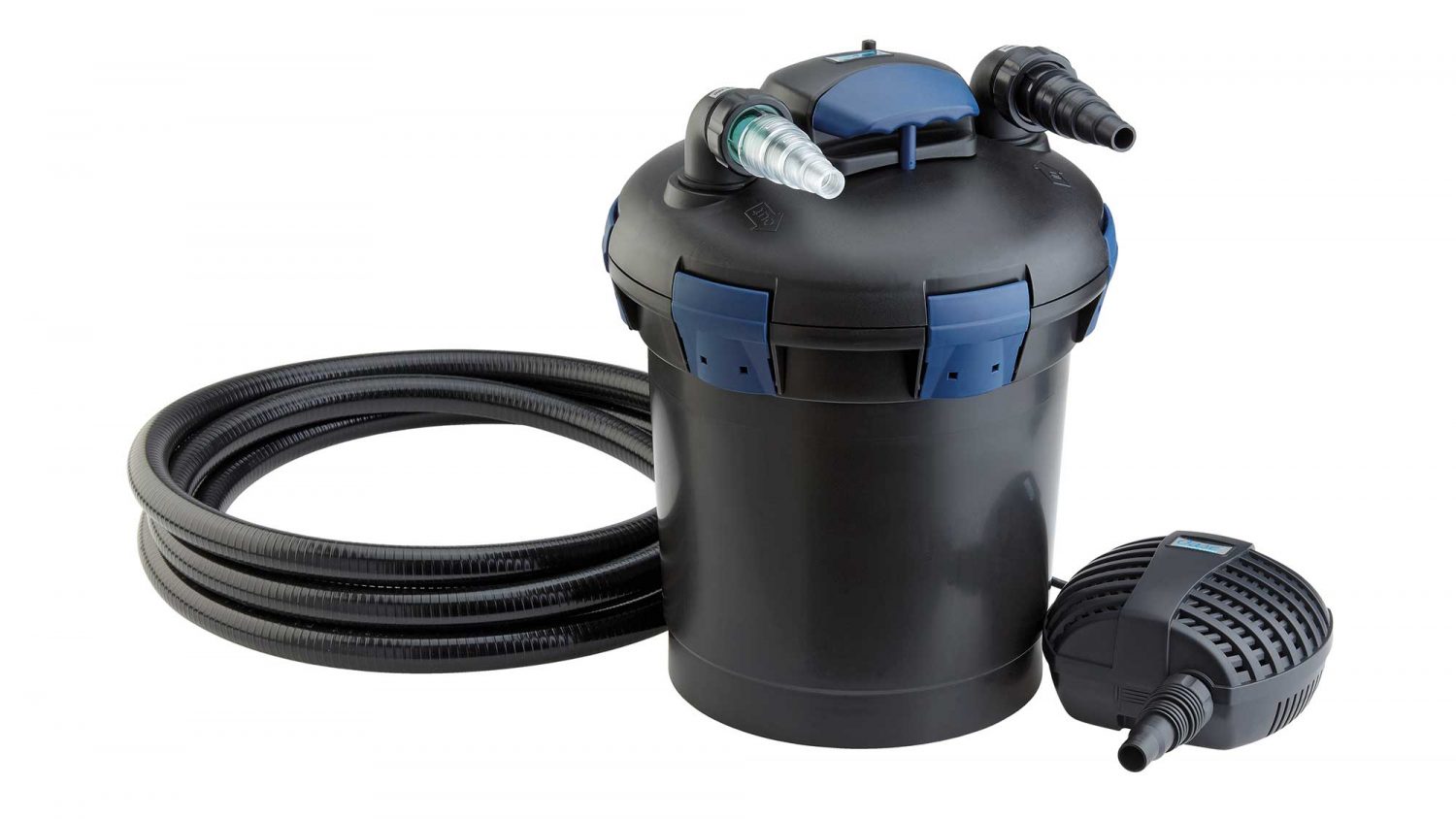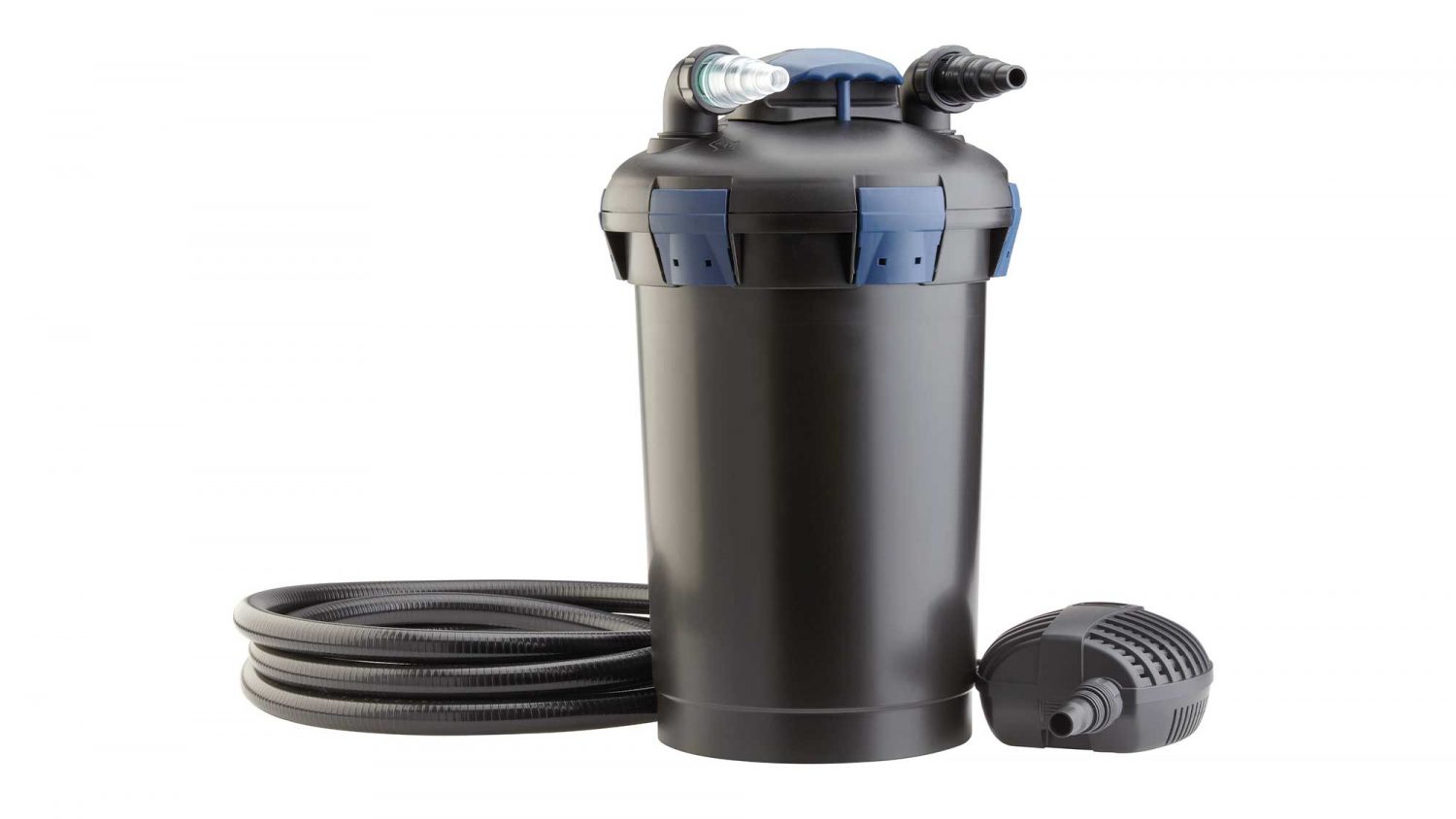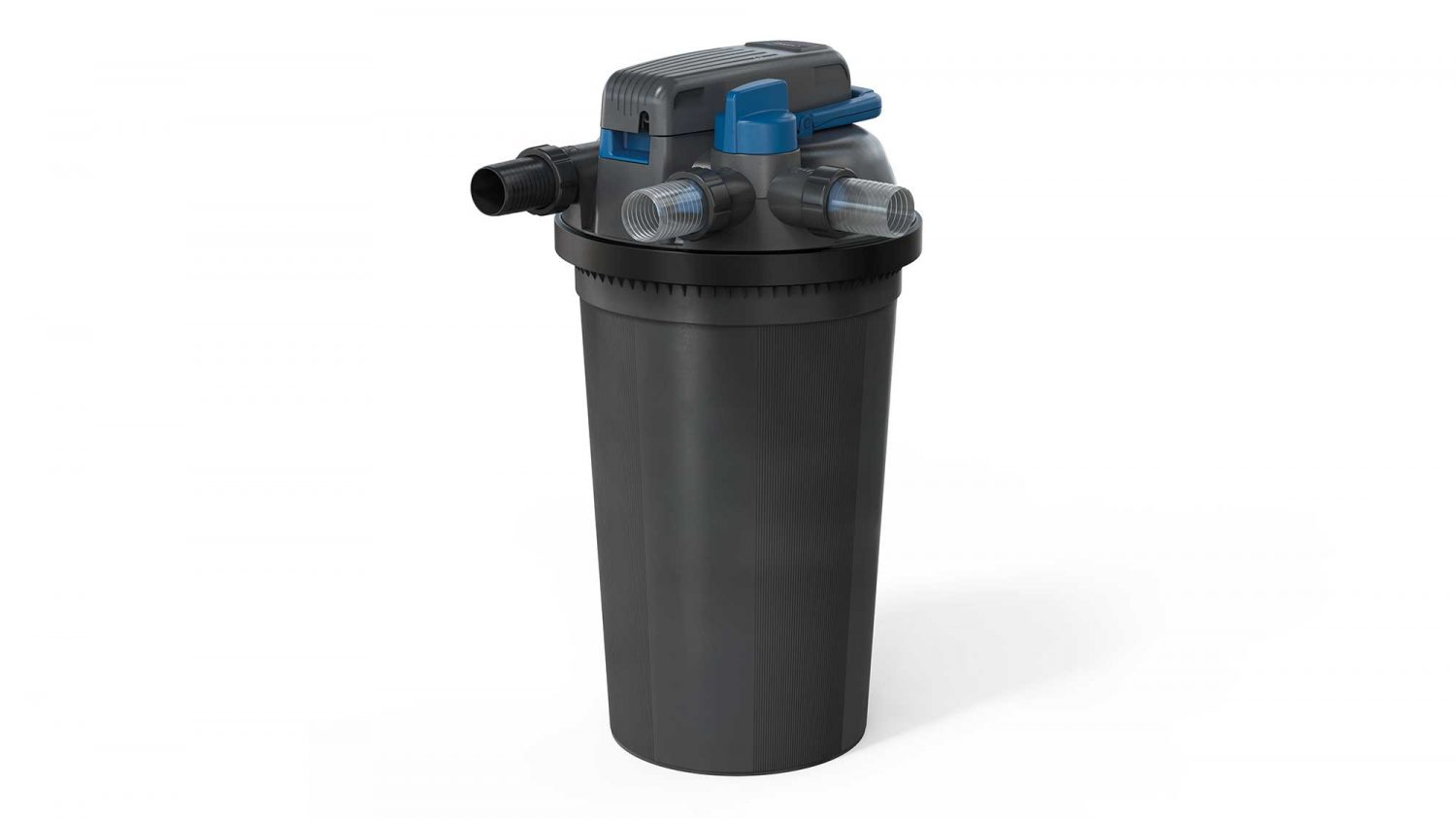
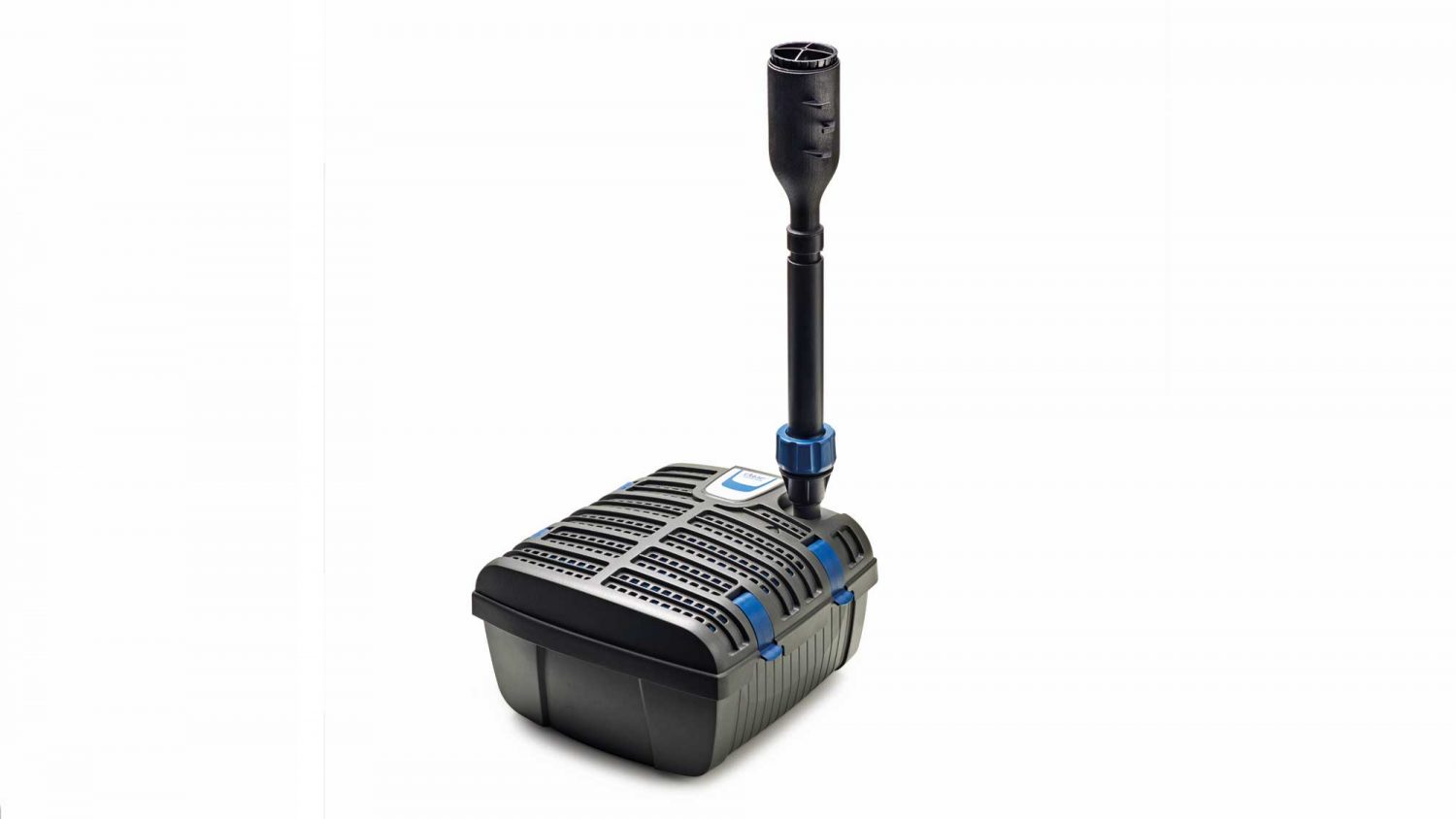
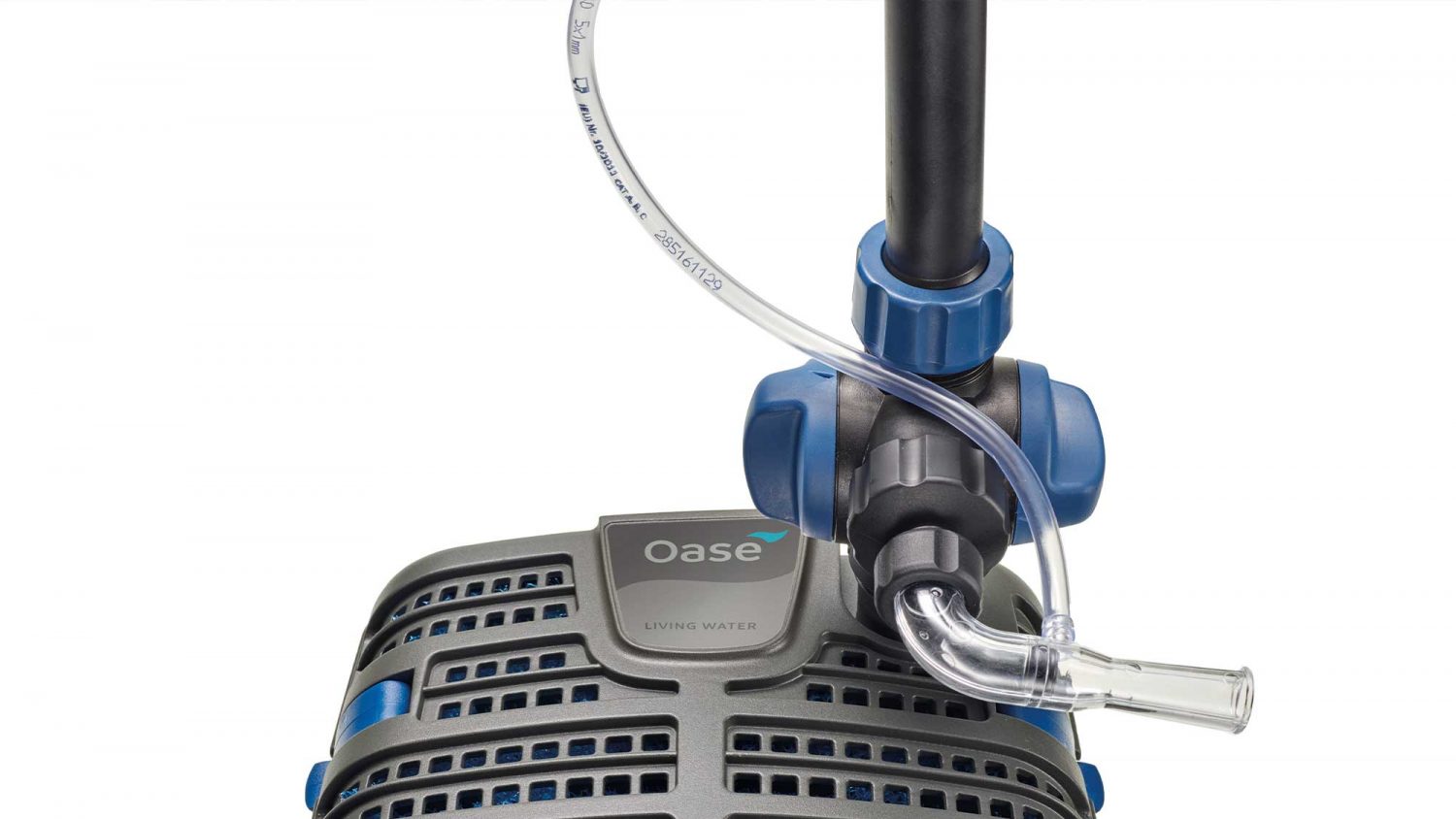
If you are building a new pond or perhaps struggling to keep an existing pond clean, then you may be asking yourself whether you need a pond filter.
Most types of ponds benefit from the addition of a pond filter. They harvest and process waste, and help you to maintain good water quality.
In this article we will look at what pond filters actually do, and how they benefit fish and wildlife.
In order to make a decision on whether to install a pond filtration system, it is important to understand exactly what they do.
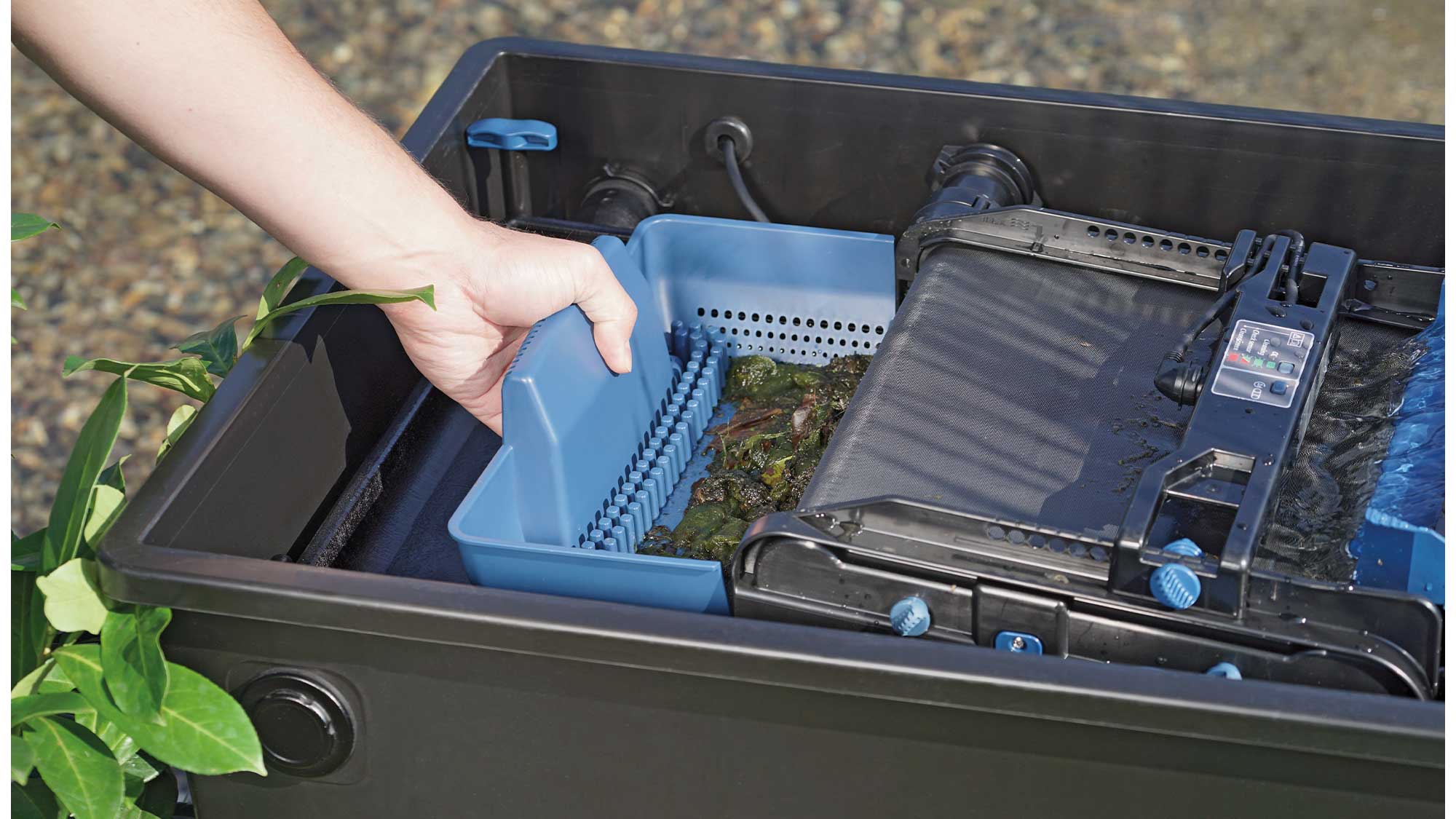
Pond filters have three main functions:
Most types of pond benefit greatly from having a filtration system by keeping your pond clean and healthy.
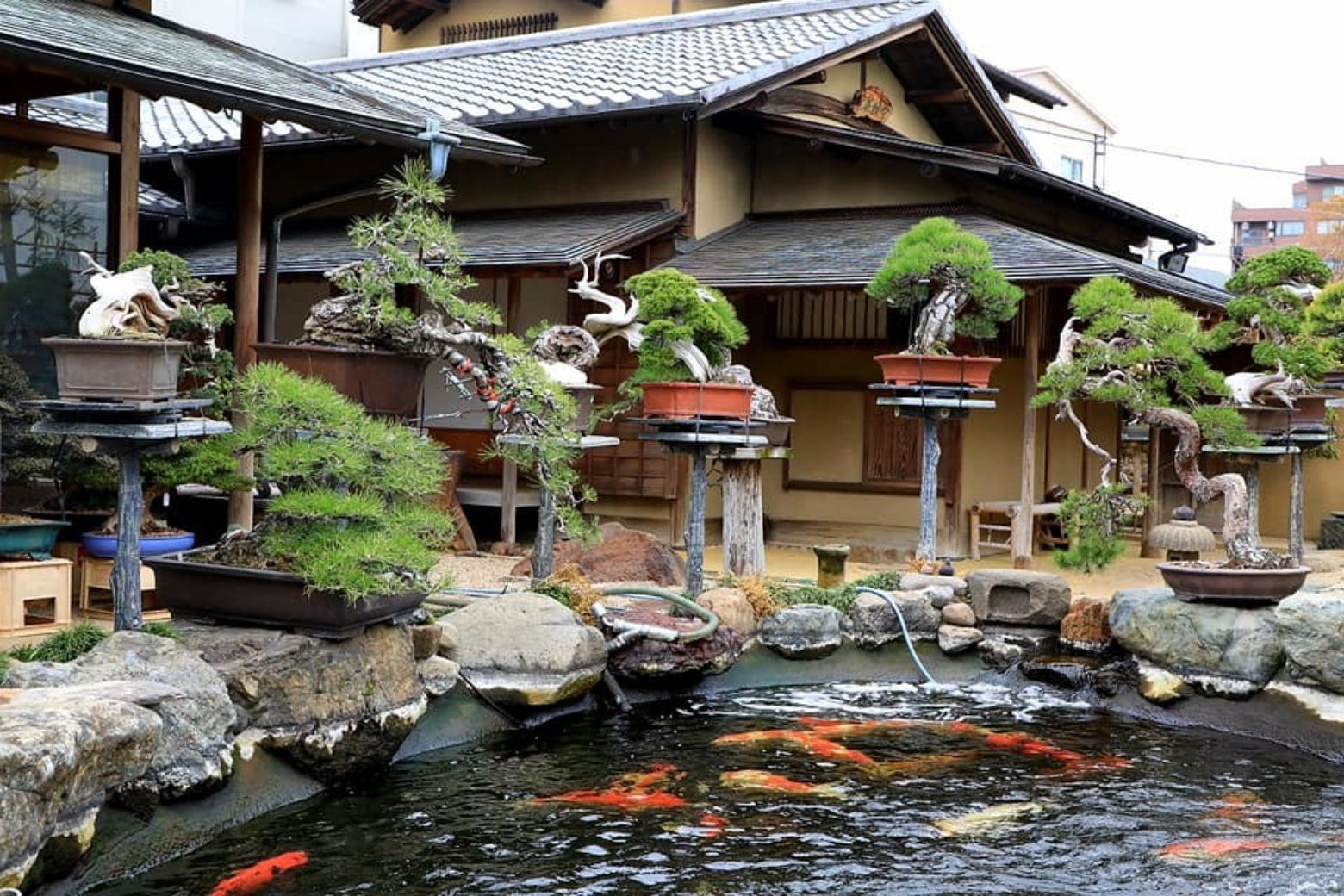
If you have fish in your pond then maintaining good water quality is absolutely essential for their health and well-being. Organic waste naturally accummulates in your pond. It comes from fish food and fish waste, and from detritus that naturally falls into your pond such as leaves, pollen, insects, and dust.
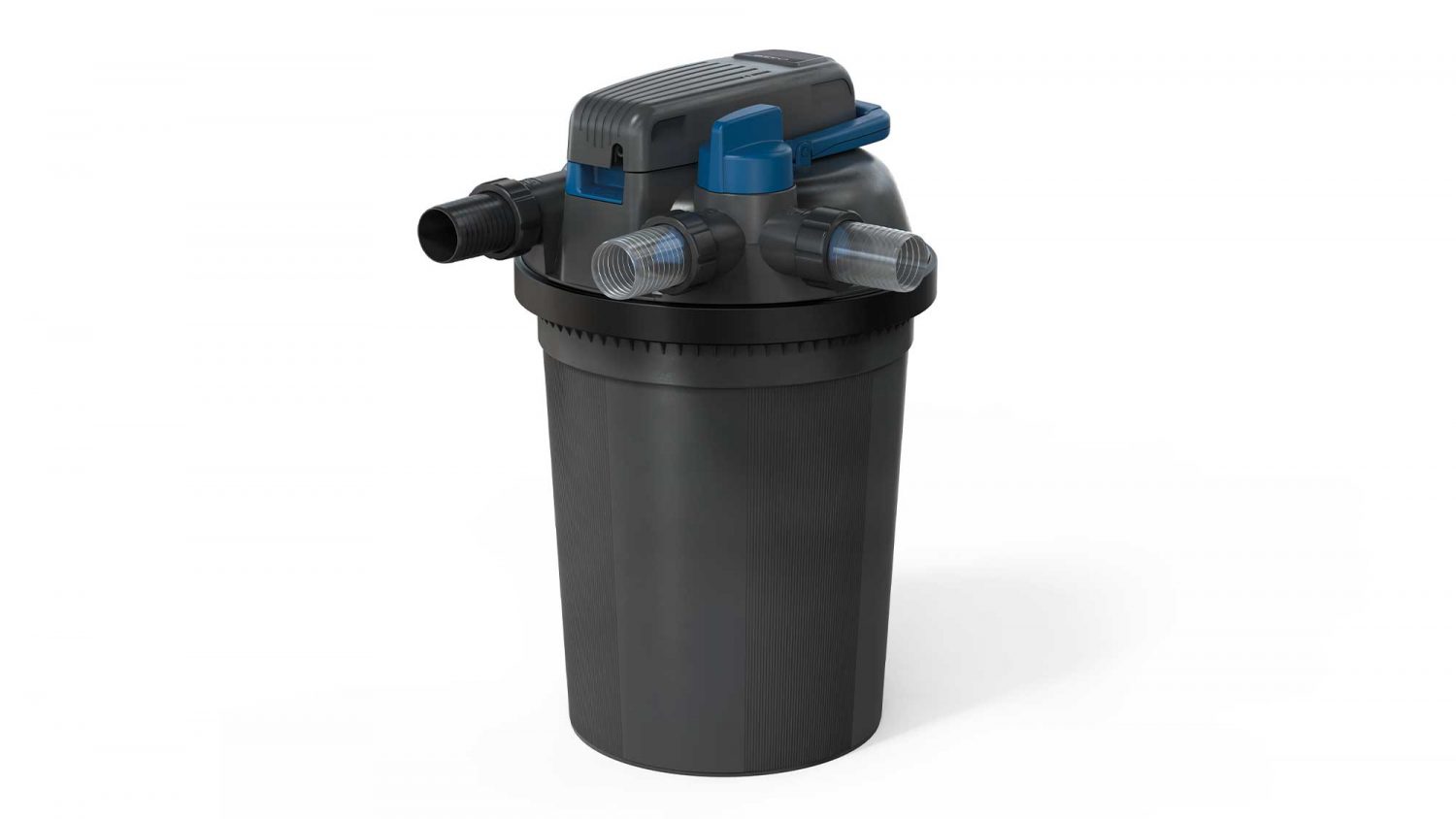
In order to keep your fish healthy we must have a means of removing and breaking down this waste. Pond filters give us an automated means of achieving this goal.
There are several types of pond filter to choose from, suited to different pond sizes, and fish stocks. For more information on the types of pond filter available, we recommend reading our pond filter guide.
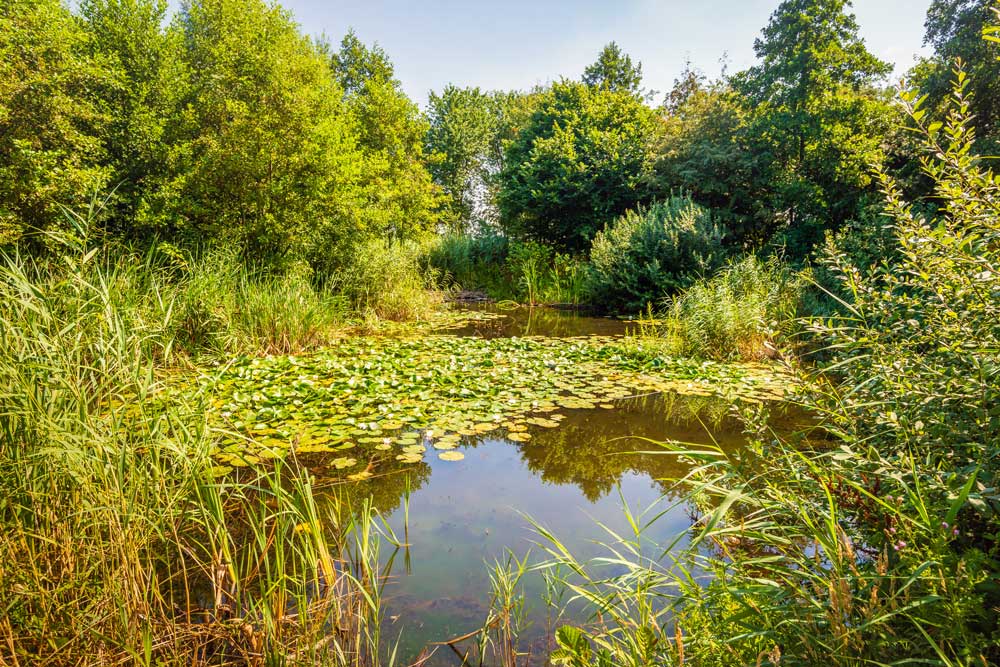
Provided your wildlife pond has plenty of planting and you clean your pond out annually, a pond filter may not be absolutely necessary. That said, the addition of a filter to any pond significantly improves water quality and help keep it in good condition.
It is best to think of a wildlife ponds as ‘semi-natural’. We want to provide a good habitat for aquatic wildlife, but we also need stop our ponds becoming overgrown and dirty.
In nature there are types of pond that may or may not be your ‘idea’ of a wildlife pond. Some natural ponds are smelly bogs with lots of decaying organic matter. The more appealing types to our senses of sight and smell generally have less organic waste and are better oxygenated. This will result in a cleaner and fresher looking pond.
In nature there is no real right or wrong since difference species favour different environments. So you must decide what type of wildlife pond you want to promote.
In most cases, a regime of annual pond cleaning, managing plants, and the installation of a suitable filtration system are the corner stones to maintaining a perfect wildlife pond.
Best Selling Pond Filters
For seasonal pond advice direct from an expert!