01253 209999

Should I cut back my marginal pond plants in winter?

As winter approaches your pond plants begin to die back, and  become rather sad and dishevelled. The decision to cut them back should depend on whether you have a fish pond  or one dedicated to wildlife.

With the onset of winter, the foliage of marginal pond plants begins to die off. They tend to look rather unsightly and the temptation is to cut them back. But is this the right thing to do?

The answer is not necessarily as simple as you might think. Aesthetics aside, it really boils down to whether you have fish, and the kind of cover remaining once marginal plants have been given the chop.

Fish keeping is all about providing good water quality for your fish. A key aspect of this is providing water that is low in organic matter. Higher levels can cause your fish considerable stress, disease, and can even kill them. It is therefore good practice to take every step you can to remove dying plant matter before it has the chance to decay.

Should I cut back my marginal pond plants in winter?

If you have a fish pond it is therefore generally a good idea to cut your marginal plants right back before winter. This does them no harm: their work is done for the year, and they will grow back in the spring.

The only problem may be if your fish depend on the marginal planting for cover from predators such as herons. If your fish are small enough to be eaten, then the dead vegetation around your pond may be the only thing saving them from a heron’s belly!

However there is an easy solution – install a pond cover net. These are square or rectangular nets large enough to cover your pond. They can easily be anchored around the edges of your pond using the pins provided, or by weighing down with stones or bricks you may have handy. Pond covers are very effective at stopping herons getting to your fish. So once installed, you can cut back your marginal plants with far more peace of mind.

If your pond has no fish, or your focus is more on wildlife, then we strongly recommend leaving your marginal plants uncut until the spring. Dead marginal vegetation may look unsightly but for wildlife it is habitat vital for surviving the winter. This unique habitat provides food and cover from predators for amphibians such as frogs and newts. It also supports the larder of insects, snails and slugs upon which they need to feed.

So although the dead foliage of marginal pond plants may look untidy, we should not underestimate its importance for the survival of wildlife during the winter. With this in mind, you may decide to wait until Spring to tidy them up, or compromise by cutting back just a bit here and there. 

For natural ponds, the advice is simple – leave your dead foliage until spring. This habitat is important for the survival of frogs, newts through the winter, and the insects and moluscs upon which they feed. You can cut your plants back in the Spring to make way for fresh shoots which will waste no time recolonizing.

If you have a pond where you prize the well-being of your fish above all else then a different approach is required. Here the focus must be on removing dead and dying vegetation.

Decaying plant matter negatively impacts water quality ideal for your fish and can contribute to the risk of fish disease while in their dormant state.

If you have a pond where you value both fish and wildlife the best advice is to strike a balance. You can remove excessive dying foliage but always try to leave enough for the survival of garden wildlife.

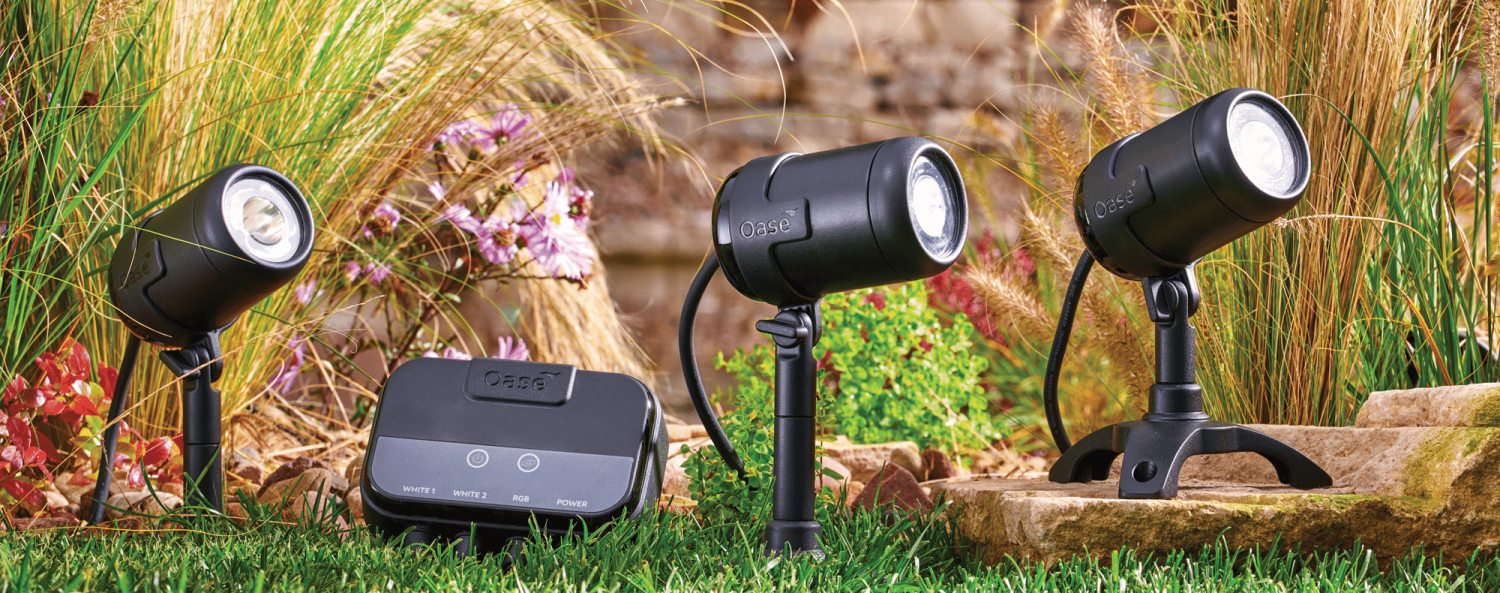
The Oase LunAqua Connect system is a modular lighting system for gardens and ponds. The spotlights come in warm white and RGB, are fully submersible, and can be controlled via a mobile app.

Complete guide to the Oase LunAqua Connect System

If you’re looking to transform your garden, pond, or outdoor feature after dark, the Oase LunAqua Connect system is one of the most flexible and professional-looking lighting solutions available. Designed for easy expansion and long-term outdoor use, it allows you to build a lighting setup that grows with your garden.

In this guide, we’ll walk through what the LunAqua Connect system is, what you’ll need, and how to set it up step by step — even if you’re not an experienced installer.
Read More »
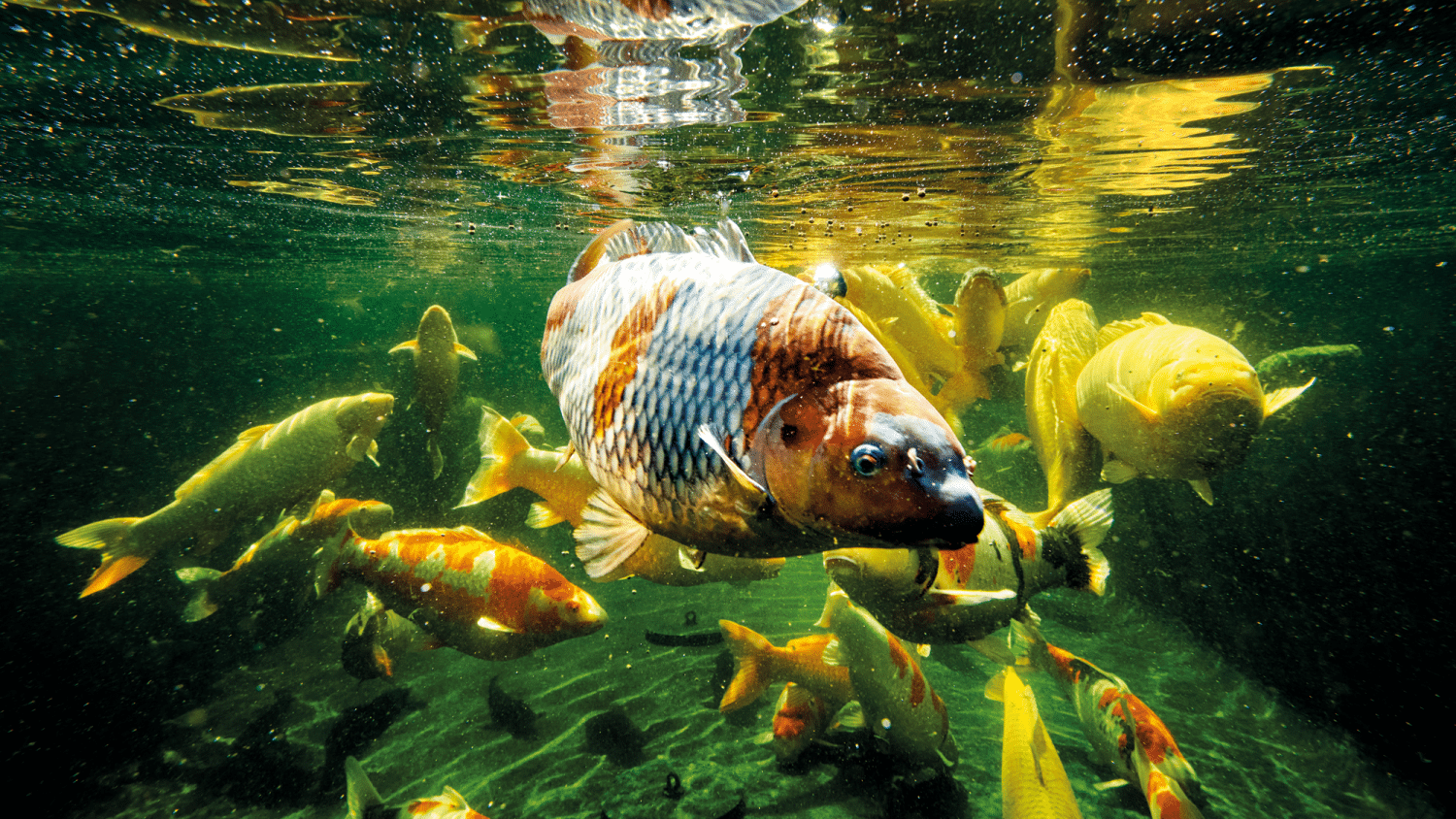
Your pond begins to wake up and so do your fish. follow these early season fish health tips.

Early Season Fish Health Tips

As the days brighten and water temperatures slowly climb, your pond begins to wake up and so do your fish. Spring is a crucial time for their health. After a long winter of low activity, their immune systems need a little support to get back up to speed. To help your fish thrive throughout the upcoming warm months, be sure to follow our early season fish health tips for best results.

Read More »
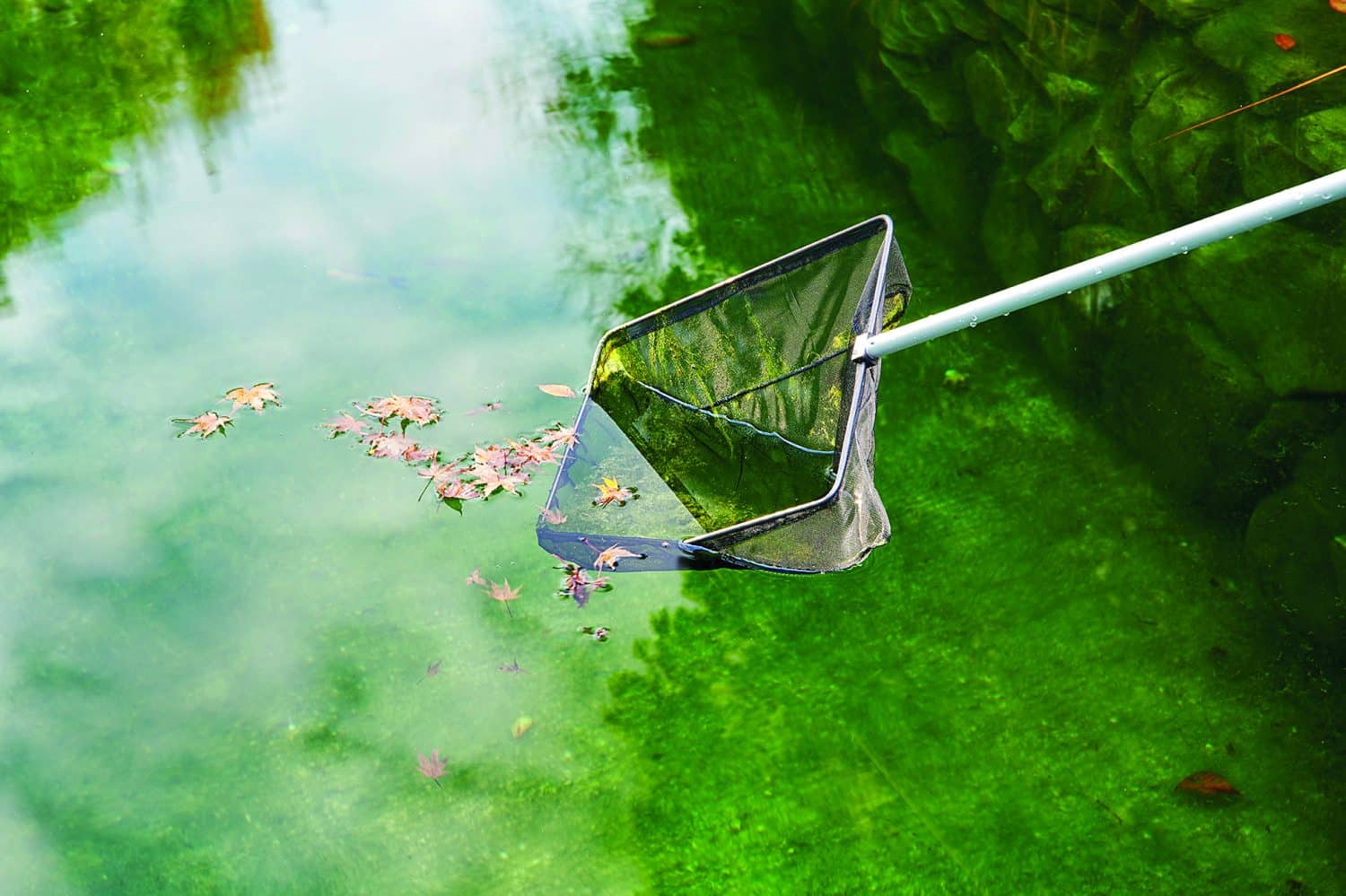
Net out debris: skim leaves, twigs, and anything floating on the surface.

Pond Maintenance Tips for Spring

Spring is the season when your pond wakes up again. Plants start growing, wildlife becomes active, and the water begins to warm. It’s the perfect time to give your pond a little care so it can thrive through the months ahead. Here are some easy, practical steps to get everything looking its best.

Read More »